The magnificent apple tree…of the rose family…offers us so much.
Shade.
Oxygen.
Fruit for enjoying fresh, cooked, canned, juiced, or fermented (cider, cizer, vinegar, etc).
Inner bark, flowers, and leaves for plant medicine (cooling, astringent, and supporting us with assimilation of the food we eat).
Pectin.
Quercetin.
Beauty.
Morel mushrooms love to appear around old apple trees.
How many songs and poems have been written about the lovely apple tree?
In the dark nights of Winter, people are still wassailing and blessing the old apple orchards.
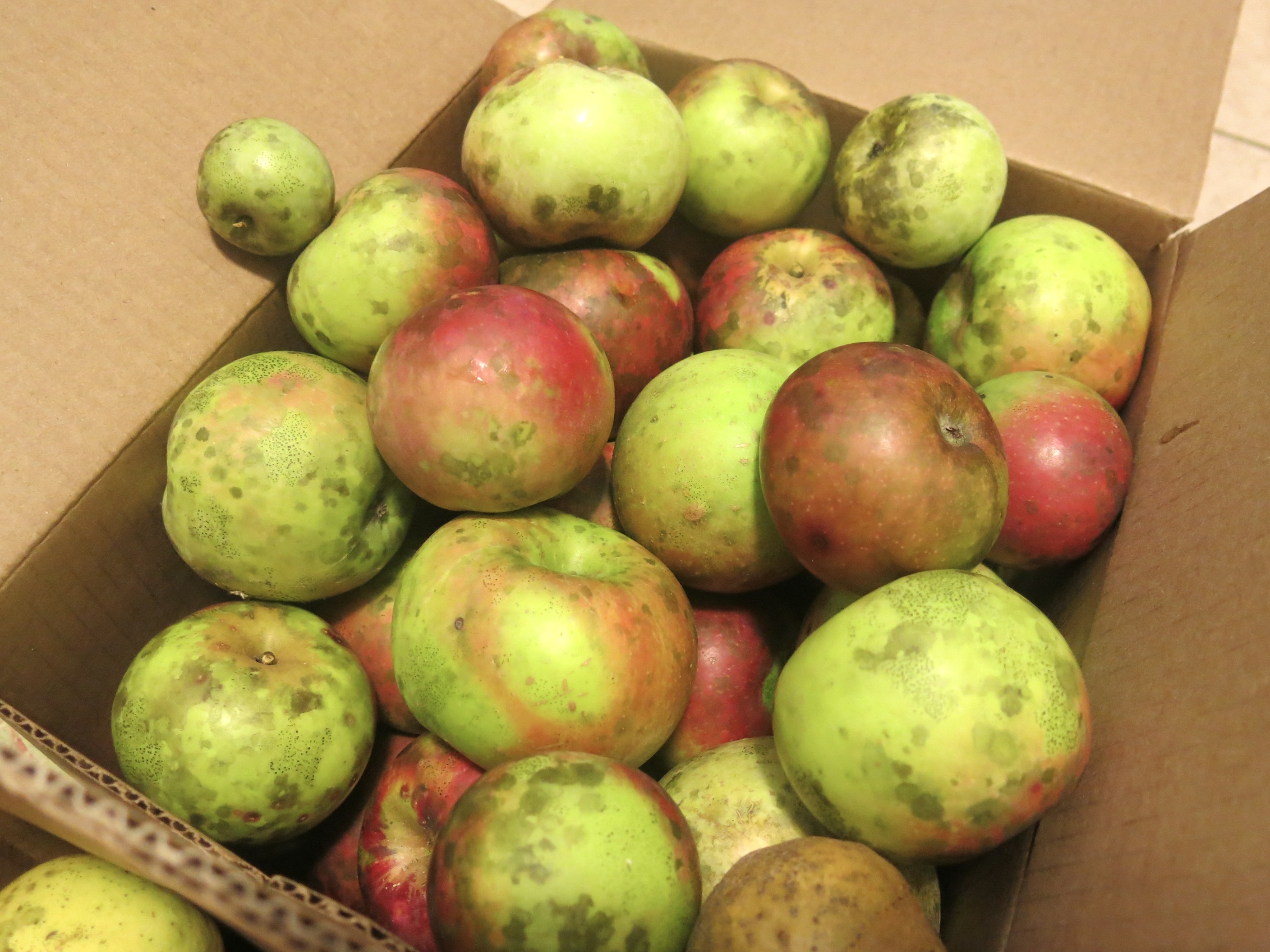
All of these insights might help you understand why I packed up my family at 8 am one Saturday morning this September to drive an hour to harvest heirloom, no spray apples from a nearby farm. I must say that it is very impressive that these apples are being grown in the Piedmont of NC, a difficult place to grow apples.
The bountiful harvest of imperfectly perfect apples urged my daughter and I to explore new things. I have pressed cider before while living in Western North Carolina and enjoyed its naturally fermented fizz of liquid sunshine. I have made apple pie and apple crisps. However, I had not made vinegar yet.
Now was the time.
We pressed out some cider to ferment. Then, we took the pressed apple bits and cores from making cider and put some water, honey, and a little apple cider vinegar on top to make a larger batch of apple cider vinegar. Pouring some apple cider vinegar helped ‘seed’ the ferment so that acetic acid prevailed and got to work on the apple scraps sooner.
The concoction sat in a large steel bowl with a kitchen cloth over it for a week. Then, we strained and transferred the liquid into a ball jar. In about a week’s time, ‘the mother’ formed, the symbiotic culture of bacteria and yeast specifically for producing vinegar — and our apple cider vinegar was complete.
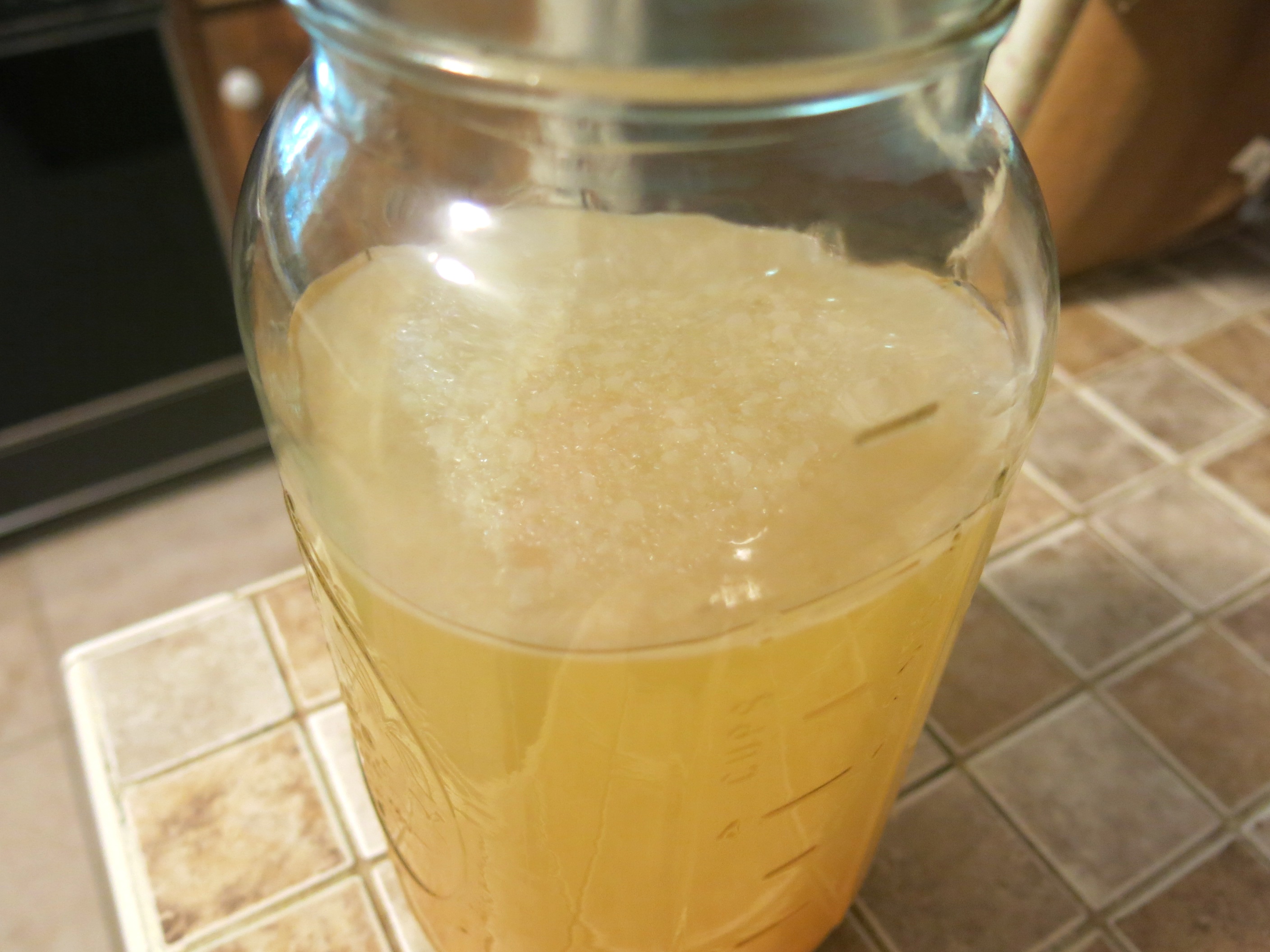
I don’t know why it has taken me so long to make vinegar. It was such a satisfying and rather simple process! I’ll definitely be saving fruit scraps for more vinegar making. Pineapple skin vinegar will be next.
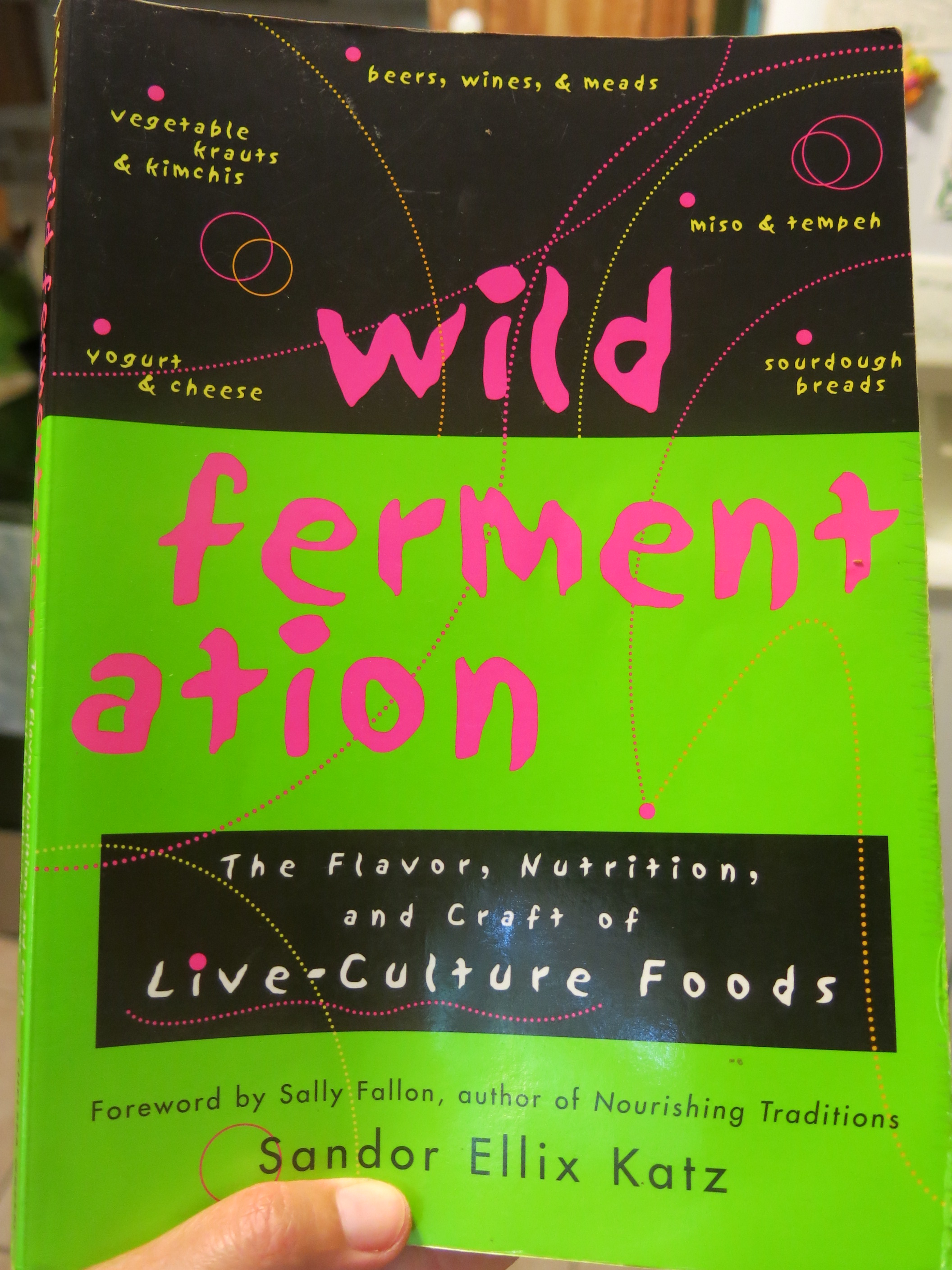
My trusty resource for such explorations is Sandor Katz’s ‘Wild Fermentation.’ I bought this book while living in San Francisco around 2004 or so. Every year I would go to the Green Fest and learn new things. This book jumped out at me and I knew I had to have it. I have made so many tasty creations with this book and his second book (his life work).
It seems vinegar can do almost anything besides stop the hubris of billionaires and the Big Tech industry, but maybe it can help with that, too (smile).
I’ve used vinegar to wipe out a plantar wart on the bottom of my foot.
I use it to draw minerals from the bones when making a bone broth.
I use vinegar to draw minerals from herbs and deliver them to my body in an easy to assimilate form.
I use vinegar to rinse my hair and protect my scalp from microbes.
I use vinegar to clean my home.
My neighbor uses vinegar for outer ear infections.
I use vinegar to clean clothing.
I use vinegar with herbs and rose water to make an amazing facial toner.
I use vinegar in salad dressings…
And on and on…
Sing hail to thee, old apple tree.
Long may you live and bud and blow,
Through sun and shower may you grow
All your boughs with apples bending low.
Hats full and caps full, baskets and bags full.
See our apples round and red.
Hats full and caps full, baskets, bags full
Of apples round and ripe and red.
(Traditional English Wassailing song)


Gosh, Lindsay, the Good Lord HAS given us all we need! I collected apples for free in an old orchard in Shelburne VT where I lived for awhile. And from an abandoned apple orchard in Crestline CA where my aunt and uncle lived and we also picked manzanita berries and made jelly from them. I wish I were the cook like you. It is so much fun and so good for us! xoxo Barbara in Santa Barbara CA.
What lovely memories, Barbara! And, the manzanita berry jelly sounds so delicious! I still have manzanita (big berry manzanita) seeds that my daughter and I make jewelry with… Good to hear from you!
I always appreciate your thoughts and writings dear. I dry lots of apples in the oven with a pilot light. This year the figs are the predominant fruit happening. The peaches and walnuts have taken a break. I have left over parts from John & Dory’s first apple press which I intend to refurbish. I enjoyed the massive quantities of juice when they were squeezing. I find the cider vinegar to be indispensable and does the job of many other products. Be well. Mike
Aw, Mike! It’s so good to hear from you. One thing I always remember about you is that you tap black walnut trees to make syrup. You always come to mind when I see a black walnut, believe it or not! How are you up on those mountains!?
Busy as ever letting the days plan themselves as I try to play throughout the demands of everything wanting attention first. Started keeping bees a few years ago. Its fun just sitting and watching them. I have 6 large frames sitting here in the living room waiting on me to spin them out and put the frames back in the hive. The bears made their desire for honey known the first week of getting them. Now use solar livestock fence charge wired to conduit over T post. Fig preserve and dried figs are happening as that tree has given over 400 figs this year over two fruiting periods.
How are you and the family? I haven’t been keeping up but know your closer to the mountains again. Feel free to drop in if you make to 1700 ft. again. My place is quaint and happily dirty & there is an attack turkey patrolling the property. Later later,
That makes sense that the bears found the hives so soon! Their sense of smell is quite good! The solar livestock fence is a smart move! Honey bees are so amazing. And, all your fig harvesting and preserving sounds bountiful.
Yes, we are in Raleigh…and we are overdue for a trip to the mountain. When I worked at Southern Dharma, Donna was the cook… She just returned to Southern Dharma as the Director this past March…I’ve been meaning to visit her and the center.
What is the best way to get in touch with you when I’m in town? Can you email me that info? My email is lindsaykolasa (at) riseup (dot) net — thank you!!!